Thread Tension Fabric Settings Chart: The Sewist’s Secret Weapon
Whether you're stitching a delicate silk blouse or reinforcing a heavy-duty canvas tote, getting the right thread tension is crucial. Yet, many sewists still struggle with inconsistent seams, puckering, or broken threads—problems that could be avoided with the right reference. That’s where the Thread Tension Fabric Settings Chart comes in. This handy guide isn’t just another sewing tip—it’s the go-to resource that professionals and hobbyists alike keep close at hand to ensure every stitch looks perfect.
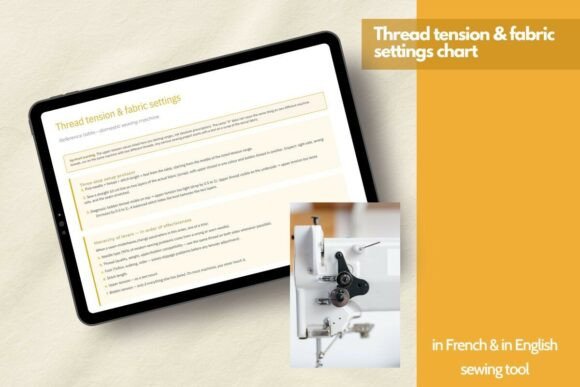
The Thread Tension Fabric Settings Chart is more than a simple table of numbers. It's a comprehensive, organized tool that gives you the exact settings for needle size, thread type, stitch length, presser foot, and starting tension for 50 different fabrics across 10 distinct fabric families. No more guessing, no more unpicking—just the right setup for your project, every time.
Why Every Sewist Needs This Chart
If you’ve ever spent hours adjusting your machine only to end up with a seam that doesn’t look right, you’ll understand why this chart is so valuable. It cuts through the confusion by providing clear, actionable guidance tailored to specific fabrics. Whether you're a beginner or an experienced sewer, this chart helps you avoid common pitfalls and streamline your workflow.
For beginners, it removes the intimidation factor from sewing. Instead of trying to figure out what settings work best for each fabric, you can simply refer to the chart and get started confidently. For intermediate and advanced sewists, it saves time and frustration by eliminating the need to search online forums or test multiple settings on scraps before starting a real project.
Teachers and instructors also find this chart invaluable. It serves as a visual aid during lessons, helping students grasp the relationship between fabric type and machine settings quickly. It's a practical way to teach without overwhelming learners with too much technical detail upfront.
What You Get Inside the Thread Tension Fabric Settings Chart
The Thread Tension Fabric Settings Chart includes more than just a list of settings—it offers a complete system for achieving consistent, professional results. Here’s what you’ll find inside:
- Three-step setup protocol used by professionals to test tension on bicolour scrap fabric before starting a project
- Hierarchy of levers that tells you exactly what to adjust first when your seam starts misbehaving
- A comprehensive table listing 50 fabrics across 10 families, including:
- Light cottons: Linens, voile, batiste, poplin, double gauze
- Heavy cottons: Canvases, denim, sailcloth, mattress ticking
- Knits: Jersey T-shirt, French terry, ribbing, stretch lace
- Woollens: Flannel, tweed, melton, bouclé
- Silks: Fluid lightweights like chiffon, crêpe de Chine, taffeta
- Velvets & napped fabrics: Corduroy, panne, faux fur
- Technical fabrics: Waterproof softshell, ripstop, neoprene
- Leathers & faux leathers: Including vinyl and synthetic alternatives
- Delicate specialty fabrics: Lace, tulle, lamé, sequins
- Home decor utility fabrics: Oilcloth, awning, blackout, Tyvek
This detailed breakdown ensures you have the right information at your fingertips, whether you’re working on apparel, home décor, or bag-making projects.
Real-World Use Cases for the Thread Tension Fabric Settings Chart
The Thread Tension Fabric Settings Chart is useful in a variety of situations, from everyday sewing to professional-grade projects. Let’s take a closer look at how different users benefit from it:
1. Beginners Learning to Sew
New sewists often feel overwhelmed by the number of variables involved in setting up their machine. With this chart, they can easily match fabric types to the correct settings without trial and error. It helps them build confidence and develop good habits from the start.
For example, if a beginner is working on a lightweight cotton dress, they can quickly find the recommended needle size, thread type, and tension setting. This prevents issues like skipped stitches or puckered seams and makes the learning process smoother.
2. Intermediate Sewists Working on Complex Projects
Intermediate sewists may be juggling multiple fabric types in one project—like combining knits with wovens or working with both silks and leathers. The chart helps them switch between settings efficiently and consistently, ensuring that each fabric behaves as expected.
Imagine creating a garment with both jersey knit and cotton voile. Without the right tension settings, the seams might look uneven or break under stress. The chart provides the precise adjustments needed to maintain quality throughout the entire piece.
3. Teachers and Instructors
In a classroom setting, time is limited, and students need clear, concise instructions. The chart allows teachers to demonstrate the correct setup for various fabrics quickly and accurately. It also helps students visualize the connection between fabric properties and machine settings, making lessons more engaging and effective.
Using the chart, a teacher can show students how to adjust their machine for a silk scarf versus a heavy-duty canvas tote. This hands-on approach reinforces learning and builds practical skills.
4. Home Decor and Bag-Making Enthusiasts
Those who enjoy crafting home décor items or custom bags often work with a wide range of materials—from waterproof oilcloth to delicate lace. The chart ensures that each fabric is treated correctly, resulting in durable, well-finished products.
For instance, when making a reusable grocery bag from sailcloth, the chart guides the user to use a heavier needle and longer stitch length. This prevents the fabric from tearing or the seams from breaking under stress.
Getting the Most Out of Your Thread Tension Fabric Settings Chart
To fully benefit from the Thread Tension Fabric Settings Chart, there are a few things to consider before using it:
- Understand your machine’s capabilities: Not all sewing machines have the same range of tension settings or presser feet. Make sure the chart recommendations align with your machine’s features.
- Test on scrap fabric first: Even with the best chart, it’s always wise to do a small test stitch on a scrap piece before committing to your main project.
- Keep it accessible: Print the chart and place it near your sewing machine or save it digitally for quick reference. The easier it is to access, the more likely you’ll use it regularly.
- Update as needed: As you gain experience, you may find that certain settings work better for your specific machine or fabric preferences. Don’t hesitate to make notes or tweaks based on your own observations.
The Thread Tension Fabric Settings Chart is more than just a reference—it’s a game-changer for anyone serious about sewing. By providing clear, actionable guidance, it helps you achieve consistent, professional results without the guesswork. Whether you're a beginner or a seasoned pro, this chart is an essential tool that will help you stitch smarter, not harder.